
Mombasa Declaration: Transparency as a New Weapon Against Illegal Fishing
- 29 July 2026
- Category: News
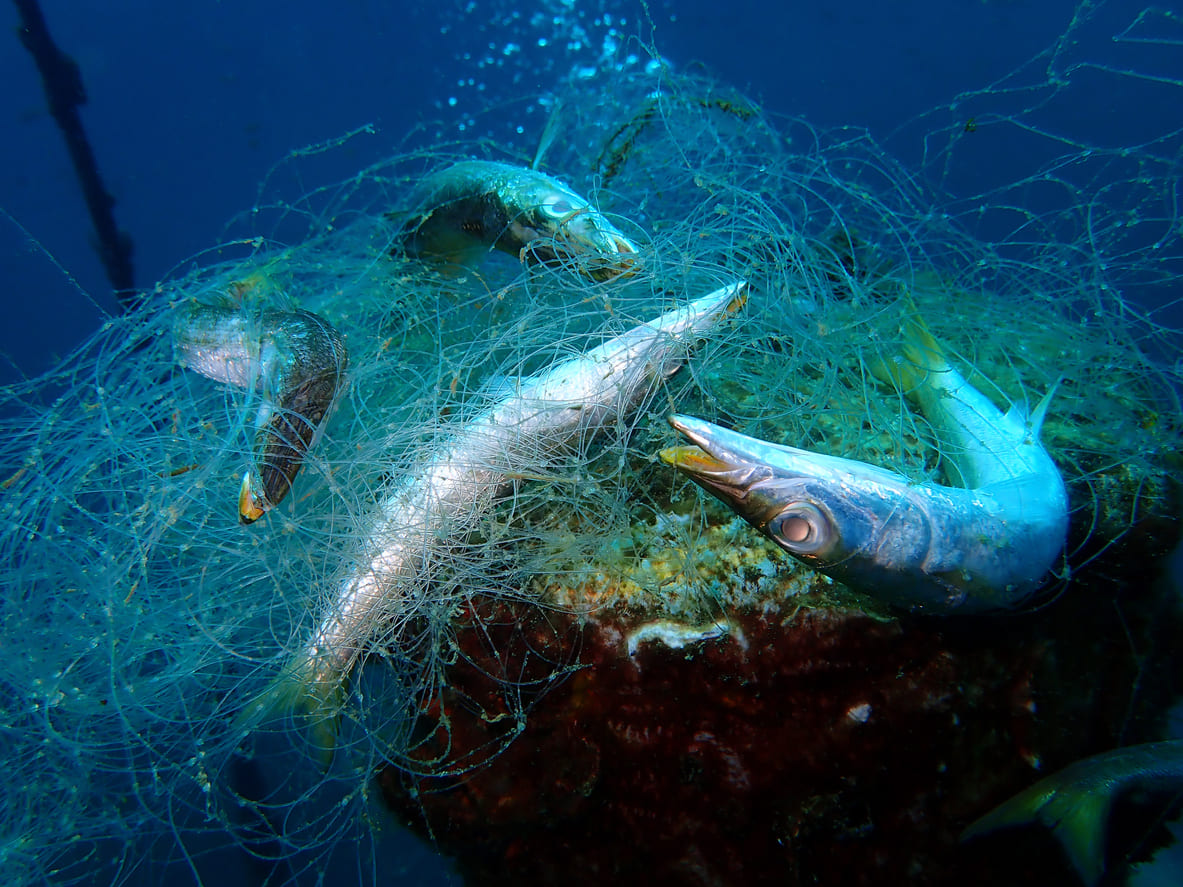
On 17 June 2026, during the 11th Our Ocean Conference held in Mombasa, Kenya, fifteen countries adopted the Mombasa Declaration. By placing fisheries transparency at the heart of their commitments, they expressed a shared ambition: to strengthen the fight against illegal, unreported and unregulated fishing (IUU fishing) and better protect fisheries resources.
While IUU fishing is a challenge across all oceans, its impacts are particularly significant in Africa. Fisheries resources are a pillar of the blue economy for many coastal States and an essential driver of food security. Faced with increasing pressure on fish stocks, mangroves, coral reefs and vast exclusive economic zones (EEZs), authorities are progressively strengthening their monitoring capabilities to ensure the sustainable management of fisheries.
IUU Fishing Weakens the Entire Fisheries Value Chain
IUU fishing goes far beyond breaches of fisheries regulations. It undermines all policies designed to ensure the sustainable management of fisheries resources.
By operating without authorisation, fishing in marine protected areas, targeting breeding grounds or failing to report catches, illegal vessels compromise the efforts made to preserve fish stocks. Resources are depleted more rapidly, marine ecosystems deteriorate and certain species become increasingly vulnerable.
The consequences extend even further. Fishers who comply with the rules face unfair competition, States lose vital revenue for their blue economies, and access to certain international markets, particularly the European Union, increasingly depends on the ability to demonstrate that catches come from legal and traceable fishing activities. IUU fishing is also regularly linked to other criminal activities, including smuggling, trafficking and human rights violations.
Greater Transparency to Better Protect Resources
Faced with these challenges, States cannot act effectively without a clear understanding of fishing activities. Knowing which vessels are authorised to fish, where they operate, what catches are made and whether regulations are being respected has become essential to the sustainable management of marine resources.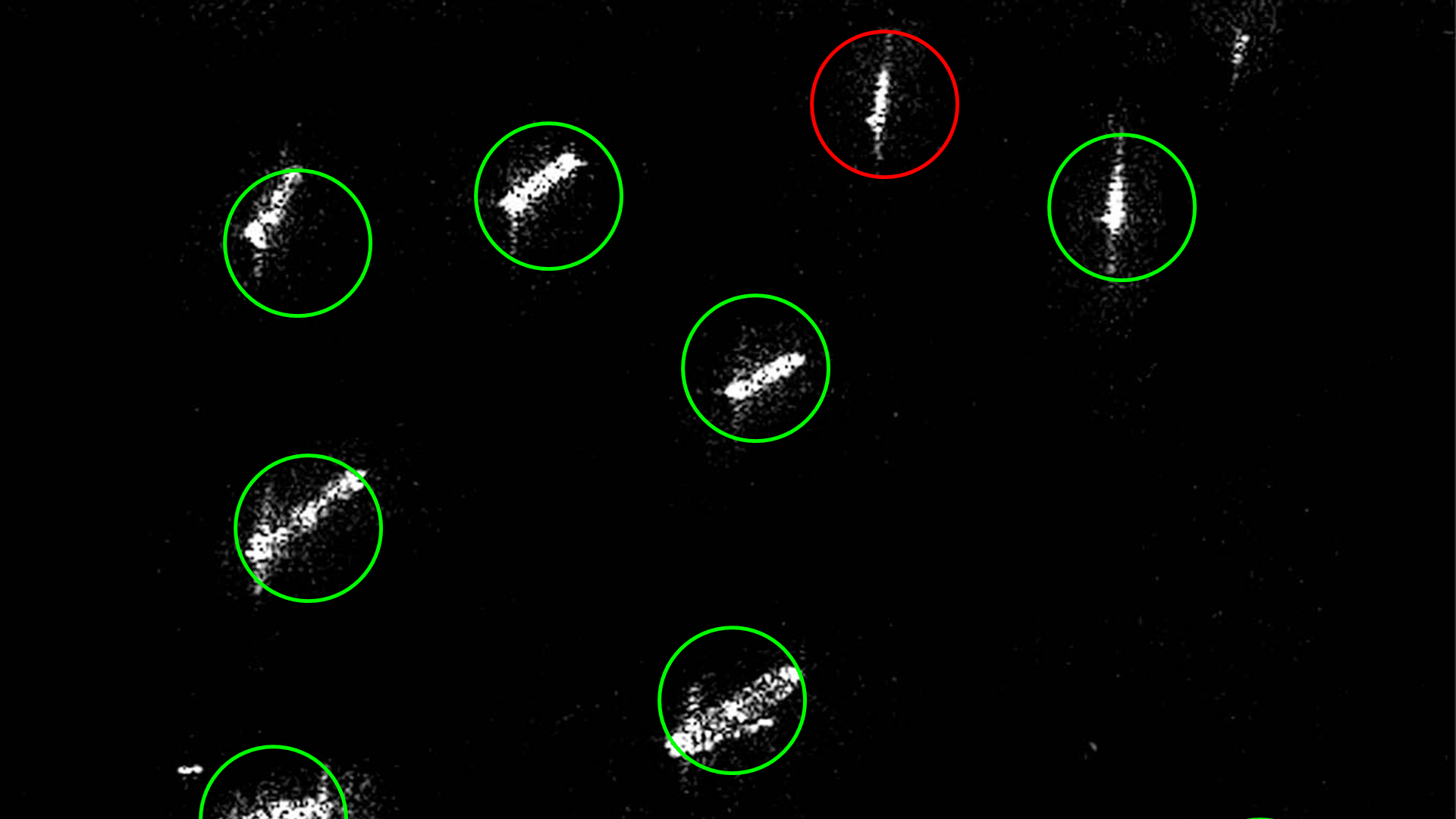
This is precisely the objective of the Mombasa Declaration. By promoting data sharing and greater transparency in fishing activities, it aims to strengthen the monitoring capacities of authorities and improve fisheries management.
Vessel Monitoring Systems (VMS), fisheries monitoring platforms, Electronic Reporting Systems (ERS) and data analytics tools now make it possible to improve the traceability of fishing activities, protect sensitive areas and detect high-risk behaviour more quickly.
CLS Has Supported Authorities for More Than 40 Years
For more than 40 years, CLS has supported fisheries administrations, Regional Fisheries Management Organisations (RFMOs) and maritime authorities in the fight against IUU fishing. Present in more than 90 countries, the Group supports numerous African States, including Cameroon, Côte d’Ivoire, Gabon, Guinea, Mauritania, Morocco, Senegal and Ghana, as well as several countries in Southern Africa, in strengthening fisheries monitoring through its VMS, AIS, THEMIS and Fisheries Monitoring Centre (FMC) solutions.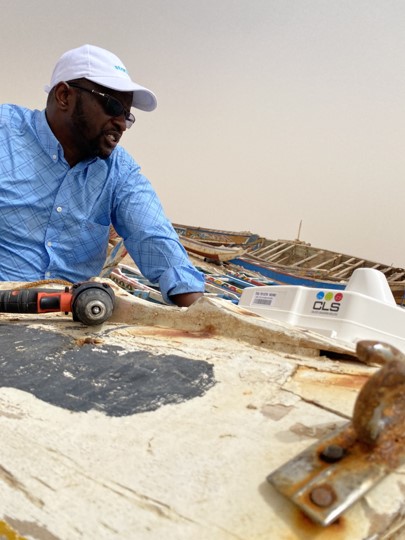
In Cameroon, CLS teams recently deployed NEMO and TRITON beacons to strengthen the monitoring of fishing activities and support the authorities in the fight against illegal fishing.
As the only provider offering a comprehensive Monitoring, Control and Surveillance (MCS) solution, CLS covers the entire fisheries monitoring chain: Vessel Monitoring System (VMS) beacons, Automatic Identification System (AIS) data, the THEMIS platform for monitoring exclusive economic zones (EEZs) and marine protected areas, Fisheries Monitoring Centres (FMCs), Electronic Reporting Systems (ERS), data analytics tools and the NAOS solution for tracking fishing gear, notably contributing to the fight against ghost gear.
By combining these technologies, CLS helps authorities improve the transparency of fishing activities, enforce national and international regulations, and sustainably preserve marine resources.
The Mombasa Declaration highlights the urgent need to strengthen the fight against illegal, unreported and unregulated fishing. Preserving fisheries resources, protecting marine ecosystems, supporting communities that depend on fishing and ensuring a sustainable blue economy are all challenges that require collective action.