
CLS joins the UN Decade of Ocean Science for Sustainable Development: An international recognition serving ocean science
- 10 June 2026
- Category: News

 Understanding and preserving the ocean has become a major scientific, environmental, and societal challenge. In this context, the UN Decade of Ocean Science for Sustainable Development (2021–2030) mobilizes the international community around a shared objective: developing “the science we need for the ocean we want.”
CLS is proud to announce that its initiative to model global zooplankton and micronekton has been officially endorsed as a project under the UN Decade of Ocean Science for Sustainable Development.
These organisms, known as low and mid-trophic levels, are key components of marine ecosystems, linking primary producers to top predators that include emblematic and commercial species. They also perform vertical migration, making them crucial players in the transport and sequestration of carbon from the surface layer to the deep ocean, which is of outermost importance in the context of climate change.
The Ocean Decade Challenges aim to mobilize the international community around the most urgent ocean issues, fostering scientific cooperation and contributing to the United Nations Sustainable Development Goals to be achieved by 2030.
This recognition was granted by the Intergovernmental Oceanographic Commission (IOC) of UNESCO, with the support of the Ocean Decade Coordination Team, highlighting the importance of strengthening scientific knowledge and international cooperation to address major challenges related to understanding, protecting, and sustainably managing the ocean.
An international scientific project led by CLS: “Global ocean low and mid trophic levels biomass”
For several decades, CLS has been developing innovative solutions based on satellite data and Earth observation technologies to better understand ocean dynamics and support the sustainable management of marine ecosystems.
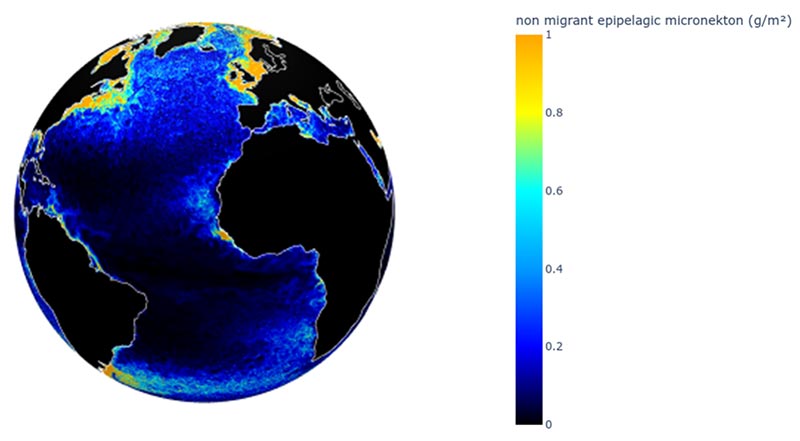
The SEAPODYM model has been developed for 20 years in collaboration with the Pacific Community (SPC), enabling to model pelagic ecosystems spatial dynamics and marine trophic chains. Since mid-2019, this model has been used to produce the “Global Ocean Low and Mid Trophic Levels Biomass Content Hindcast” product that estimates at global scale the biomass of zooplankton and micronekton. This product is freely available for download in the Copernicus Marine Environment Monitoring Service (CMEMS) catalogue.
Through this project, CLS reaffirms its commitment to open, collaborative, and actionable science benefiting scientists, policymakers, and stakeholders across the maritime economy.
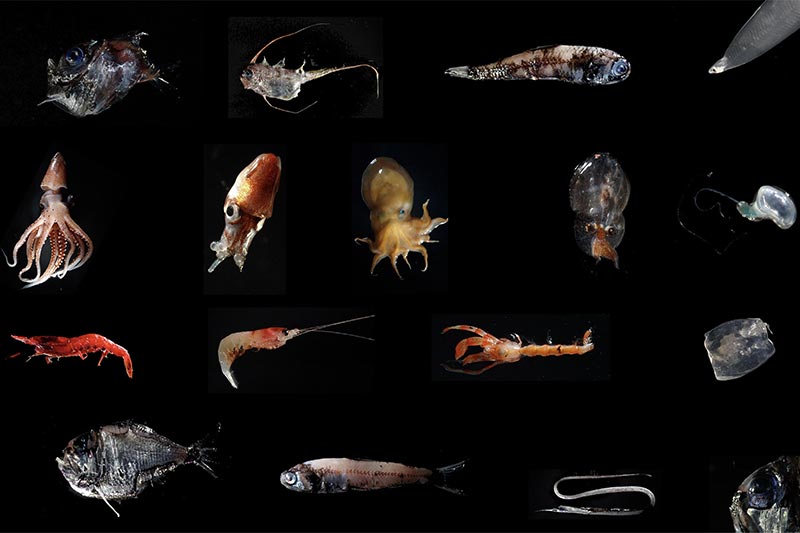
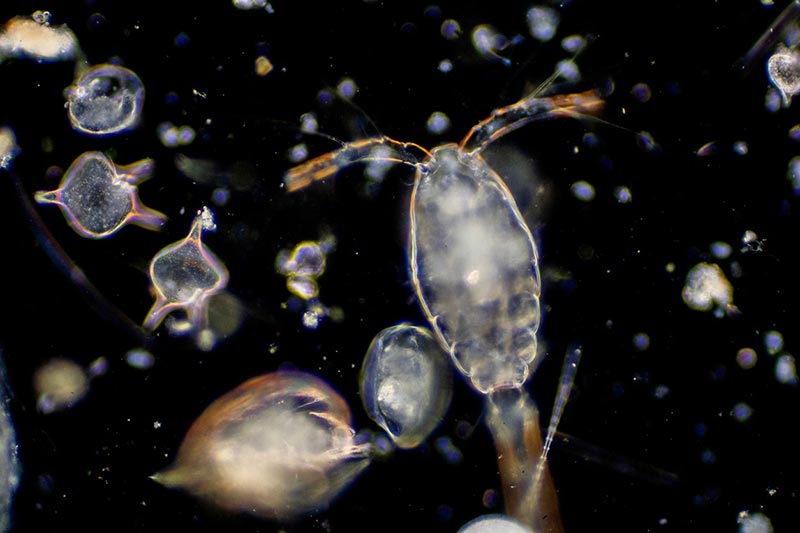
The project “Global Ocean Low and Mid Trophic Levels Biomass”, coordinated by Olivier Titaud, a Research Engineer in Numerical Computation at CLS Group, is now part of JETZON (Joint Exploration of the Twilight Zone Ocean Network), an international scientific network dedicated to exploring the mesopelagic zone, also known as the Twilight Zone.
Located between 200 and 1,000 meters depth, this ocean layer plays a critical role in:
- marine food web functioning,
- biogeochemical cycles,
- carbon storage and climate regulation.
Still largely unexplored, this region represents one of the major frontiers of international oceanographic research.
A global mobilization for the future of the ocean driven by the UN Decade of Ocean Science for Sustainable Development
Launched by the United Nations and coordinated by the IOC-UNESCO, the UN Decade of Ocean Science for Sustainable Development seeks to accelerate the production and sharing of scientific knowledge needed for sustainable ocean management by 2030.
This international initiative focuses on several key objectives:
- strengthening ocean observation and understanding,
- improving access to scientific data,
- promoting collaborative and interdisciplinary science,
- supporting public policies and informed decision-making,
- and fostering concrete solutions to climate and environmental challenges.
Today, the Ocean Decade brings together governments, research institutions, international organizations, companies, and private stakeholders around a shared ambition: building a more resilient, better protected, and sustainably managed ocean.
The integration of the CLS project within the JETZON programme fully reflects this international scientific cooperation dynamic.
Strengthening scientific knowledge to better protect the ocean
Studying the biomass of low and mid trophic levels is a strategic scientific challenge for improving our understanding of global marine ecosystem functioning.
These organisms, located at the core of ocean food webs, play a fundamental role in:
- ocean biological productivity,
- fisheries resource balance as they are prey of numerous commercial species,
- carbon transfer from surface waters to the deep ocean,
- global climate regulation.
Through advanced observation technologies, satellite data, and scientific analysis, this project will contribute to improving knowledge of these mechanisms, which remain insufficiently documented today.
Beyond research, this work will also help:
- support marine conservation policies,
- contribute to sustainable ocean resource management,
- and strengthen international cooperation in ocean science through open access data product and workshop.
International Recognition Highlights CLS’s Commitment to Ocean Science
This international recognition marks an important milestone for CLS and its partners in their commitment to advancing ocean knowledge.
By joining the UN Decade of Ocean Science for Sustainable Development and the JETZON program, CLS actively contributes to a global scientific effort aimed at developing the knowledge needed to address major climate, environmental, and societal challenges.
Through this project, CLS reaffirms its ambition to place science, innovation, and observation technologies at the service of a more sustainable, resilient, and better protected ocean for future generations.