
How Data Can Help Fisheries Tackle the Mackerel Challenge
- 27 July 2026
- Category: News
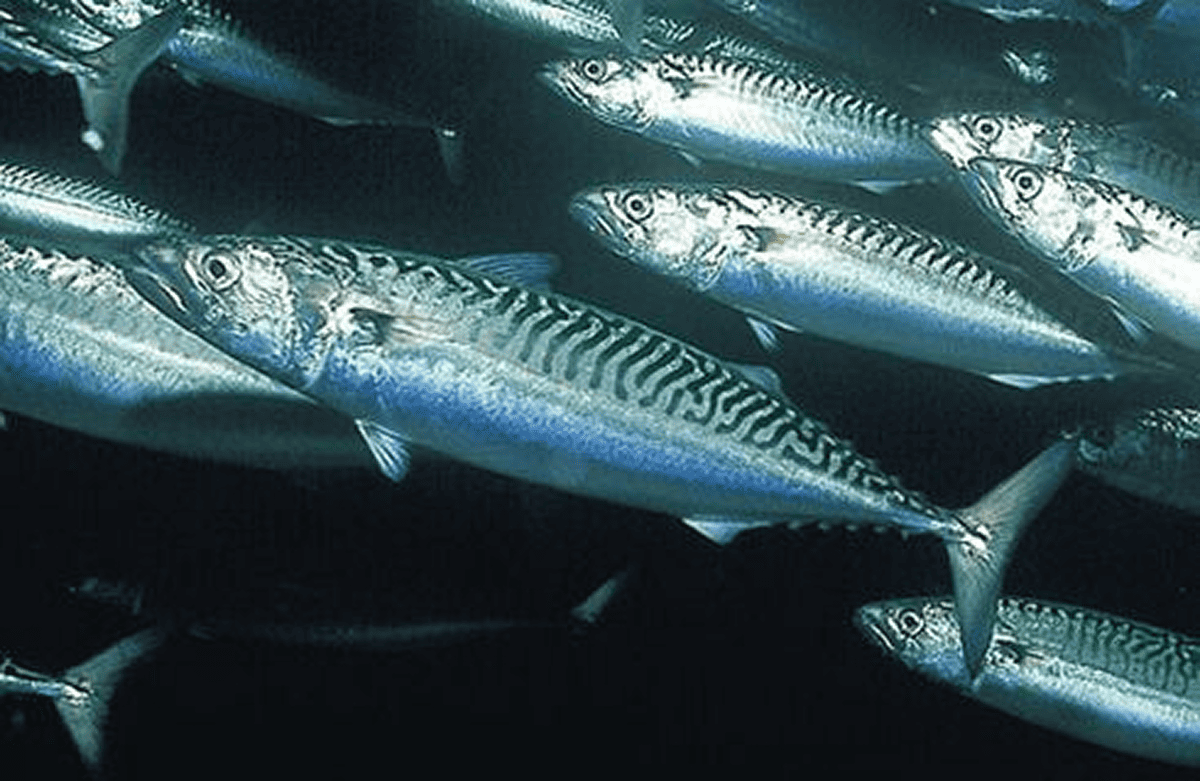
Mackerel is one of the most important species for fisheries in the Northeast Atlantic. Its highly migratory nature and shifting distribution, driven by seasonal and environmental conditions, make it particularly challenging to manage. Recent scientific assessments indicate that the stock is under increasing pressure. In its advice published in September 2025, the International Council for the Exploration of the Sea (ICES) recommended a Total Allowable Catch (TAC) of 174,357 tonnes for 2026, representing a reduction of approximately 68% compared with its previous advice.
This highlights how essential high-quality data has become to support the responsible management of authorized fisheries. Understanding where fishing fleets operate, documenting catches and monitoring fishing effort all contribute to scientific stock assessments, promote the sustainable exploitation of fish stocks, and help support food security.
What are the impacts on fisheries ?
Changes in the status of the mackerel stock affect all fisheries targeting the species. Shifts in its distribution, updated scientific advice and quota adjustments require fisheries stakeholders to continuously adapt their operations. Coastal fisheries that rely heavily on mackerel may be particularly affected.
In this context, access to reliable information on catches, fishing grounds and fishing effort is essential for monitoring the resource, supporting fisheries management decisions and maintaining a sustainable balance between economic activity, marine ecosystem conservation and the responsible use of marine resources.
How data improve knowledge of the mackerel stock
Mackerel is a pelagic species whose movements vary according to seasonal and environmental conditions. It migrates across vast areas of the Northeast Atlantic, making the collection of reliable data on catches, fishing grounds and fishing activities particularly important.

This information helps improve the documentation of fishing activities and enhances our understanding of how the resource is exploited. It supports the work of scientific organizations that regularly assess the status of fish stocks. It is also used by national fisheries authorities and, depending on the region, by Regional Fisheries Management Organizations (RFMOs) to monitor fishing activities, verify compliance with regulations and implement agreed fisheries management measures.
For vessel owners and crews, these data also provide greater operational visibility. Better knowledge of fishing grounds, catches and fishing effort helps improve operational monitoring and enables fishing practices to be adapted in response to changes in both the resource and the regulatory framework.
Reliable Data Supporting Sustainable Fisheries
The quality of scientific assessments and fisheries management measures depends in part on the availability of reliable data. Information collected at sea provides an essential foundation for understanding fishing activities and monitoring the evolution of marine resources.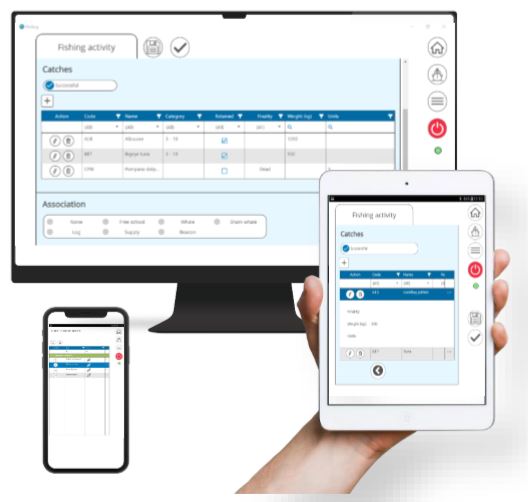
CLS addresses this challenge by combining two complementary sources of fisheries data. The Vessel Monitoring System (VMS) securely transmits fishing vessel position data, while FishLog simplifies the electronic reporting of catches and fishing activities.
By combining these two sources of information, fisheries gain the most comprehensive possible view of their operations. Vessel owners benefit from improved fleet monitoring, while fisheries authorities, RFMOs and scientific organizations have access to robust data to analyse fishing activities and strengthen stock assessments.
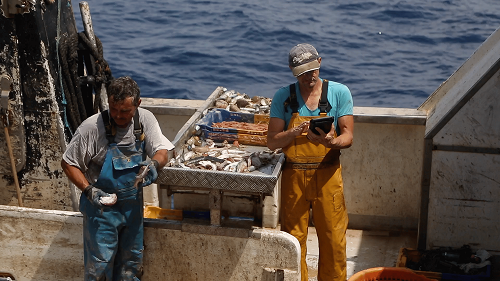 Beyond regulatory compliance, these data contribute to better fisheries governance. They support the responsible management of authorized fisheries, promote the sustainable exploitation of fish stocks, enhance transparency across fishing activities and help preserve the marine resources on which coastal communities depend.