
Ecuador: The Galápagos Life Fund selects CLS to monitor by satellite a fleet of more than 2,000 artisanal fishing vessels — a world first!
- 13 April 2026
- Category: Press Release
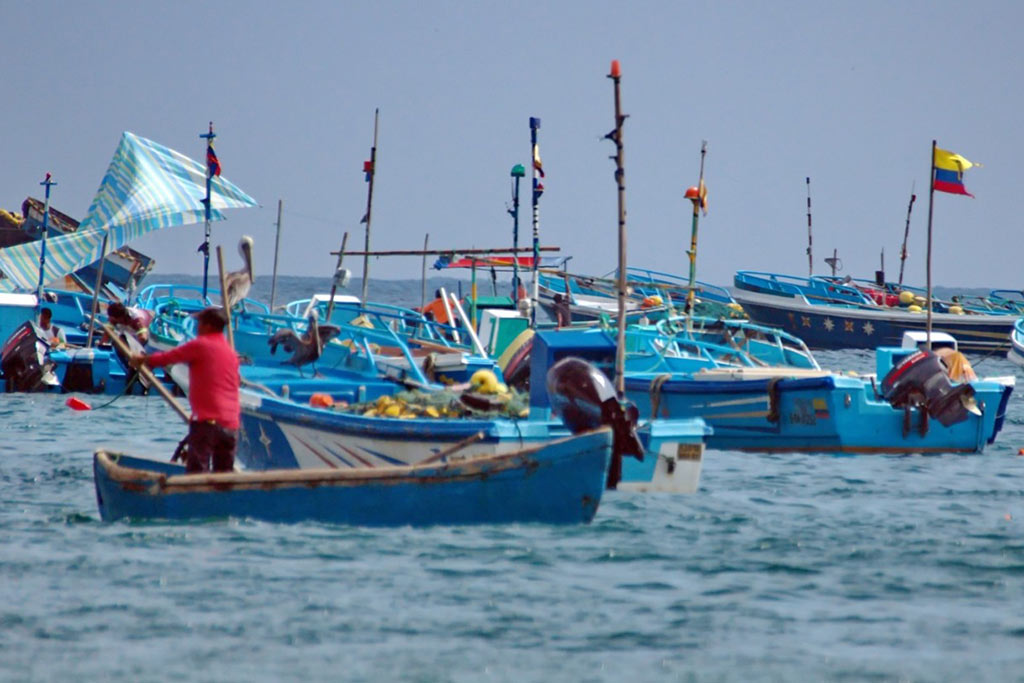
Galápagos, Ecuador — The Galápagos Life Fund (GLF) marks a major step forward in the sustainable protection of the resources of the Galápagos Marine Reserve. Thanks to its financial support, Ecuador becomes the first South American country to equip a significant portion of its artisanal fleet.
In total, 2,000 NEMO satellite beacons will be deployed by CLS and its partners, making Ecuador’s artisanal fleet the largest ever connected by satellite. This initiative provides concrete support for the protection of marine biodiversity, at a time when nearly one in five fish is still caught illegally worldwide.
Developed by CLS, a subsidiary of CNES and CNP, these beacons illustrate the key role of satellite technologies in the sustainable management of marine resources.
A technological solution addressing the challenges of sustainable fishing around the Galápagos Marine Reserve
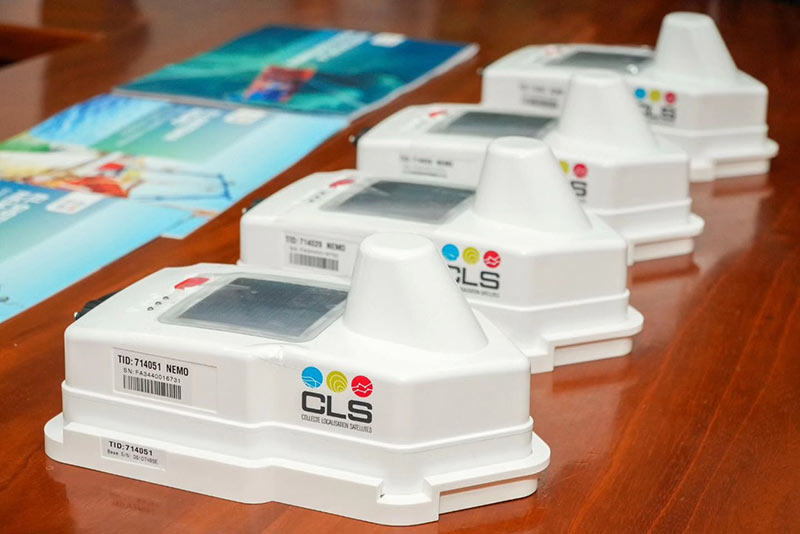
These NEMO beacons will enable authorities to monitor, in near real time, the activity of artisanal fishing vessels operating around the “Hermandad” marine reserve, adjacent to the Galápagos Marine Reserve. Until now, monitoring of this fishing activity in the area has remained limited. Longliners, known as “nodrizas” (mother ships), transport thousands of small boats to the area, which then fish in the waters surrounding the Galápagos, an environment subject to significant conservation challenges. Unlike their mother vessels, these artisanal units had not previously been monitored by satellite (VMS – Vessel Monitoring System).
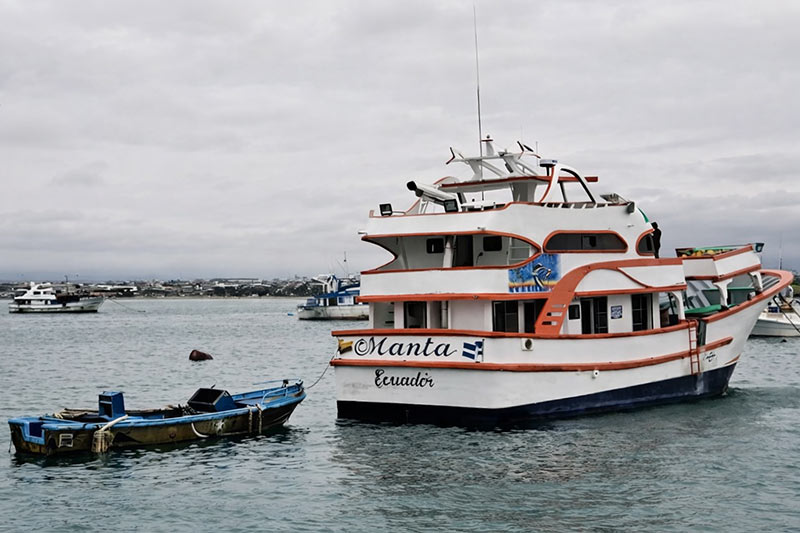 In accordance with current regulations, these 2,000 beacons will provide precise visibility of fishing activities in the vicinity of this area, which hosts exceptional biodiversity. Thanks to this data, it will be possible to establish a framework for responsible fisheries management, while ensuring the sustainability of an economic activity that is essential for local communities, with full respect for Ecuador’s sovereignty over the management, access, and use of data and marine resources.
Beyond simple vessel tracking, CLS beacons play a key role in the safety and sustainability of fishing activities. Equipped with an alert button, they enhance the safety of fishermen at sea, while enabling precise traceability of catches through continuous vessel positioning. Their deployment is also accompanied by awareness-raising initiatives aimed at promoting more responsible fishing practices. 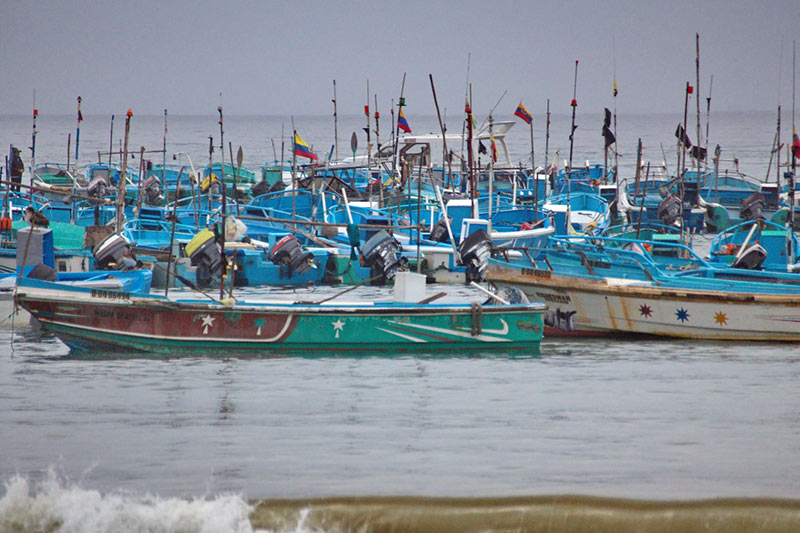 Artisanal fishers remain at the heart of the project. Designed to meet their needs, the system also includes information workshops and training sessions to facilitate the use of the beacons.
This initiative builds on CLS’s recognized expertise and its solutions for fishing vessel tracking, with more than 25,000 beacons and vessels equipped worldwide, deployments in 90 countries, and over 40 years of experience in satellite services supporting the sustainable management of marine resources.
Through this deployment, Ecuador positions itself as a pioneer in integrating artisanal fisheries into a national fisheries monitoring system based on space technologies and intelligent data processing.
True International Cooperation Serving Responsible Management
This project is made possible thanks to the support of the The Galápagos Life Fund, which finances the equipment and associated services and supports the Ecuadorian government in its marine conservation strategy.
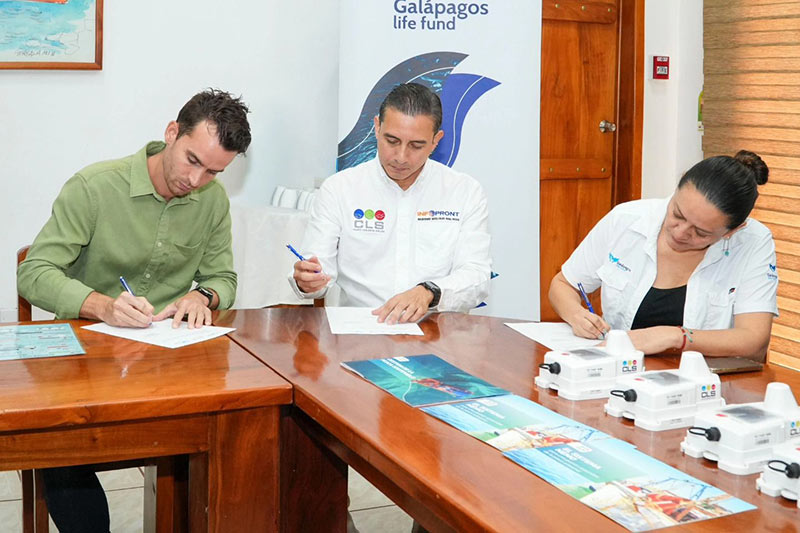
Mónica Calvopiña, Executive Director of the Galápagos Life Fund, comments: “The Galápagos Life Fund is fully committed to preserving marine resources and promoting sustainable fisheries management.
Through the ‘Hermandad’ Transitional Assistance Plan, it supports the deployment of this space-based technology, which strengthens monitoring and surveillance capacities within our marine protected areas.
We welcome the synergy between government institutions, the fishing sector, and private companies such as CLS, an alliance that directly contributes to the protection of unique areas such as the Galápagos Marine Reserve and Hermandad.”
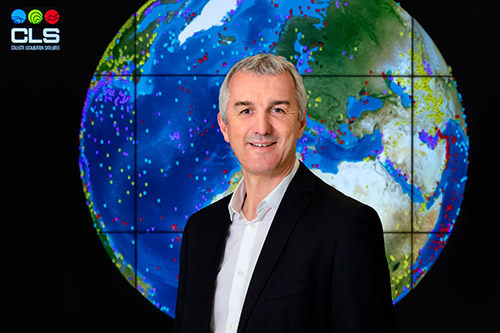
Hervé Galabert, Director of Sustainable Fisheries Management Activities at CLS, adds: ”The deployment of our NEMO solution represents a major milestone for the sustainable management of the Galápagos Marine Reserve. It marks a true step change in the monitoring of artisanal fishing.
Since 2015, CLS has been supporting the Galápagos National Park, with financial backing from WildAid, by providing its THEMIS solution, a fisheries monitoring center composed of a vessel positioning data acquisition system and a platform for the visualization and management of maritime activities. This center is used by the Galápagos authorities to monitor all activities within marine protected areas.
This new deployment further strengthens our long-term commitment and demonstrates our dedication to preserving this unique ecosystem. We are proud to contribute to this collective initiative, unprecedented in terms of the number of vessels equipped, and we would like to acknowledge the key role of the Galápagos Life Fund in the success of this project.”
A New Era for Maritime Governance and Protection
The hybrid (satellite/GSM) NEMO beacons were specifically developed for traditional, non-motorized, and often isolated fisheries. They perfectly meet the needs of artisanal fishing:
 Near real-time tracking to effectively combat Illegal, Unreported and Unregulated (IUU) fishing
- Reliable data for sustainable marine resource management
- Enhanced traceability, essential to adding value to artisanal fishery products
- Emergency assistance request functionality

The millions of data points generated by NEMO beacons (identifiers, positions, heading, speed, alerts, etc.) will be integrated into the THEMIS platform, recently installed at Ecuador’s National Fisheries Monitoring Center.
This acquisition is funded by WildAid, a trusted partner in the region for many years.
This pioneering platform is capable of processing massive flows of satellite and maritime data thanks to big data technologies.
It will enable both predictive and operational management, providing authorities with unprecedented capabilities to anticipate risks, detect suspicious activities, and plan targeted conservation actions, particularly around sensitive areas such as the Galápagos archipelago.
To date, CLS has deployed more than 60 fisheries monitoring centers worldwide.
About GLF
 The GLF (Galápagos Life Fund) is a fund dedicated to the preservation and sustainable development of the Galápagos Islands, established as part of an innovative debt-for-nature swap mechanism implemented by the Republic of Ecuador.
It finances marine and terrestrial conservation initiatives, supports the management of protected areas, and promotes the development of sustainable solutions that benefit ecosystems and local communities. Created in 2023, the GLF is part of one of the largest environmental financing operations ever carried out.
It supports Ecuadorian authorities, scientific organizations, and field stakeholders in implementing concrete biodiversity projects. The fund mobilizes long-term secured resources to ensure measurable and lasting environmental impact, particularly in the areas of marine protection, responsible fishing, scientific research, and community development.