
Strengthening Marine Surveillance in the Galápagos with THEMIS
- 1 December 2025
- Category: News
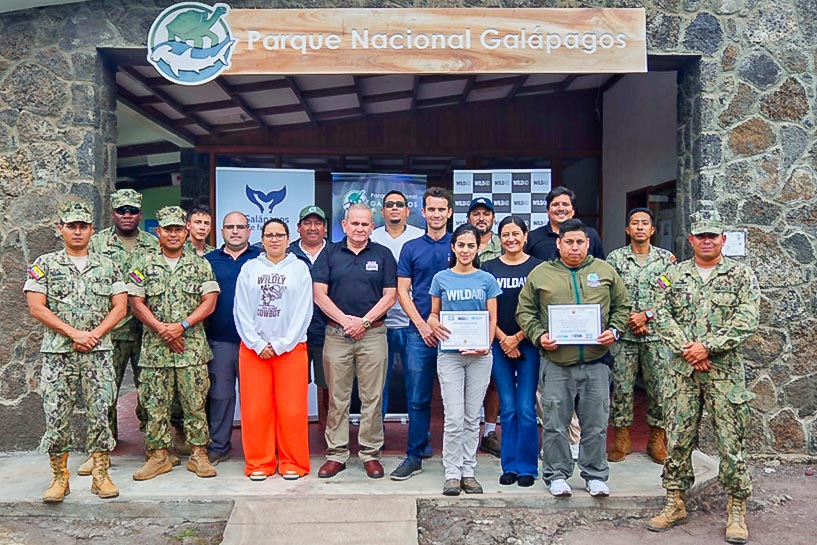
The Galápagos Islands are among the most unique and biodiverse marine ecosystems on Earth. Protecting them requires strong collaboration, advanced technology, and continuous capacity building. Recently, the CLS teams in Chile, through their local office CUNLOGAN, conducted specialized training for the Galápagos Life Fund (GLF) and WildAid Ecuador on the use of THEMIS, our state-of-the-art fisheries monitoring platform.
This initiative represents a major step toward reinforcing marine surveillance and fisheries control in the Galápagos Marine Reserve and surrounding protected areas.
CLS works hand in hand with governments and NGOs to protect marine resources worldwide.
Empowering Local Institutions with THEMIS in Galápagos
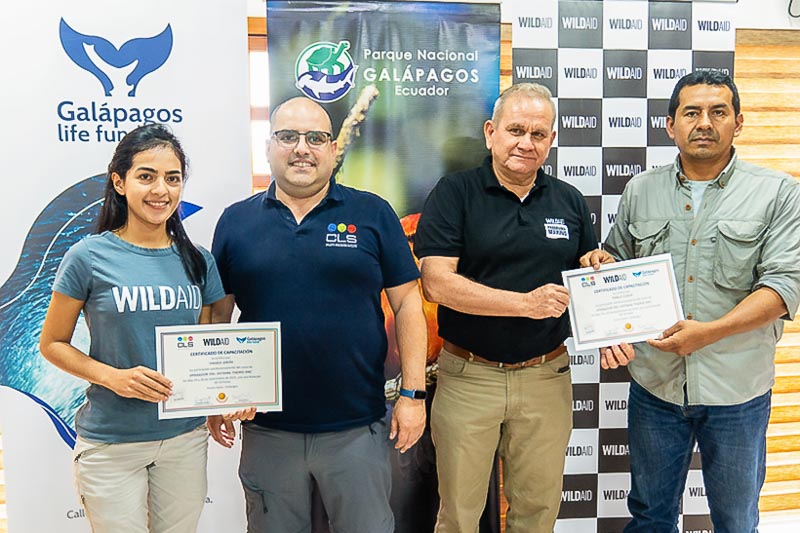 The training, brought together marine rangers from the Galápagos National Park Directorate, officers from the Ecuadorian Navy, and officials from the Sub-Secretariat of Fisheries Resources. The sessions focused on strengthening their operational knowledge of THEMIS, an integrated platform that combines Vessel Monitoring System (VMS) and Automatic Identification System (AIS) data with real-time alerts and geospatial analysis.
This initiative was made possible through the close collaboration between CLS, its local Chilean office CUNLOGAN, WildAid Ecuador, and the Galápagos Life Fund (GLF), an organization established under Ecuador’s innovative debt-for-nature swap to finance marine conservation. Together, these partners share a common mission: to deploy advanced technology that empowers local institutions and helps preserve marine life through smarter, data-driven decision-making.
By mastering THEMIS, participants can better identify unauthorized fishing activities, analyze vessel behavior, and coordinate rapid responses to threats within the Galápagos Marine Reserve. This enhanced monitoring capacity directly contributes to the long-term protection of fragile marine ecosystems and supports Ecuador’s sustainable fisheries strategy.
Enhancing Decision-Making and Marine Protection
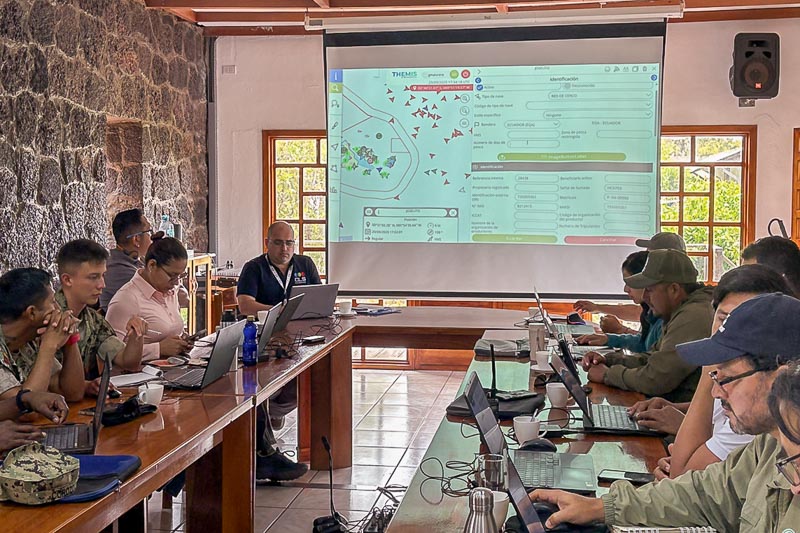 THEMIS serves as a key decision-support platform for marine authorities around the world. It provides a unified view of all maritime activity, integrating satellite data, VMS/AIS tracks, catch records, and environmental information, to enhance coordination and transparency.
In the Galápagos, the system’s deployment improves surveillance coverage, strengthens enforcement capabilities, and fosters inter-institutional collaboration between the park authorities, navy, and fisheries agencies. The result is faster detection of illegal activities, improved protection of endangered species, and more effective conservation management across the Galápagos and Hermandad Marine Reserves.
Protecting the Future of the Galápagos Marine Reserve with THEMIS
 For nearly four decades, CLS has supported governments and regional fisheries organizations in implementing monitoring, control, and surveillance systems to combat illegal, unreported, and unregulated (IUU) fishing. With THEMIS now in use across multiple regions, including the Pacific, Indian, and Atlantic Oceans, its adoption in the Galápagos demonstrates its scalability, reliability, and impact in protecting marine biodiversity.
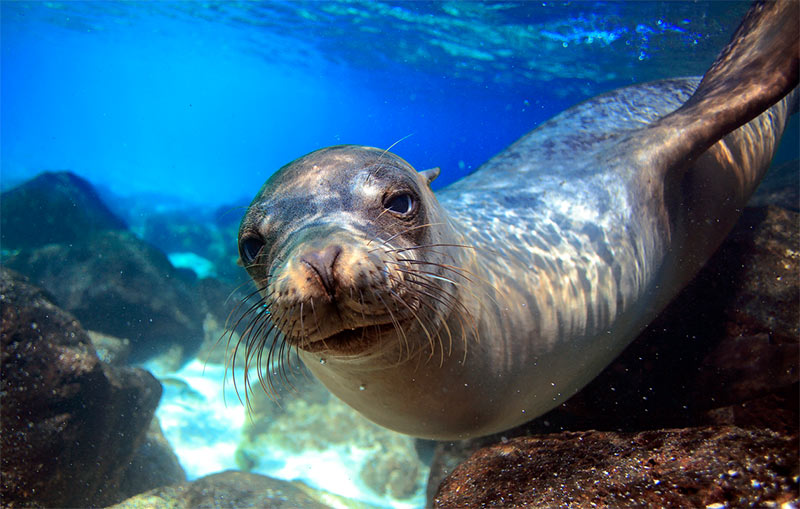
By equipping local partners with cutting-edge tools like THEMIS, CLS and its CUNLOGAN team in Chile are helping ensure that the Galápagos archipelago remains a sanctuary for marine life and a global model for sustainable ocean governance.
About THEMIS
THEMIS is an advanced fisheries monitoring and control system developed by CLS. It integrates VMS, AIS, satellite imagery, and environmental datasets into a single platform, allowing authorities to monitor vessel activity, analyze risk, and take immediate enforcement action.
THEMIS is used globally by national fisheries administrations, regional fisheries management organizations (RFMOs), and NGOs to strengthen ocean governance and combat IUU fishing.